



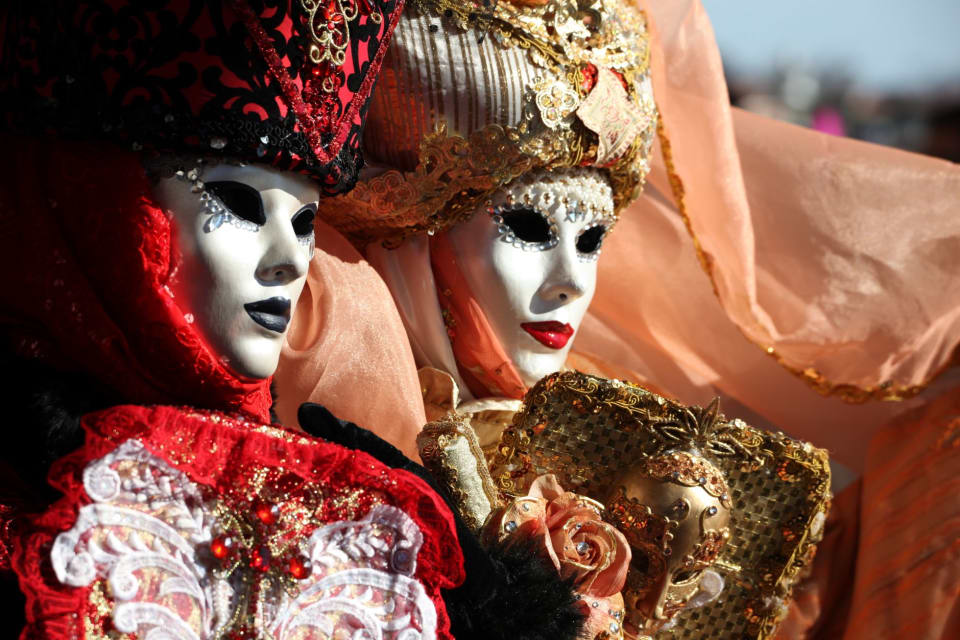
Character & Image
Characterization
Characterization is the system of artistic means and devices by which a writer creates the image of a personage and reveals their nature, psychology, and worldview. The main means of characterization include: the portrait (description of appearance), speech characterization (a personage's individualized speech), deeds and behavior in conflict situations, psychological analysis (inner monologue, the 'dialectics of the soul'), self-characterization, characterization by other personages and by the author-narrator, the 'telling' name, landscape and objects as a means of indirect characterization, and the detail. Characterization may be direct (immediate authorial evaluation) or indirect (character is revealed through action). Mastery of characterization is one of the chief criteria of the artistic worth of an epic or dramatic work. Diverse, psychologically motivated means of characterization were used by Panas Myrny, Ivan Franko, Volodymyr Vynnychenko, and Valerian Pidmohylny.
Video
Compare “Characterization” with another term
Meaning, origins and distinction — side by side.

Distinction
Two aspects of image-making differing in aim. Characterization is the SYSTEM OF MEANS (portrait, speech, deeds, psycho-analysis, detail) by which a writer reveals the INDIVIDUAL nature of a personage in its uniqueness. Typification is the principle of artistic GENERALISATION, the selection and concentration of essential, recurring traits so that a singular image becomes a bearer of the GENERAL, the socially significant. Characterization individualises; typification generalises; in a genuine image they are inseparable.




