



Movements
Baroque
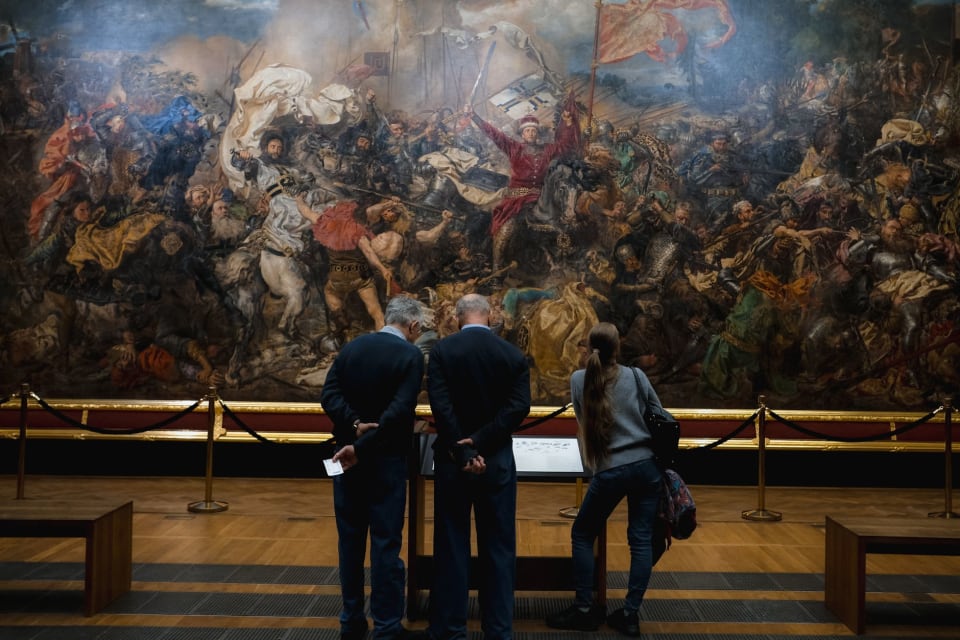
The Baroque is an artistic movement and style of European culture from the late sixteenth to the eighteenth century that replaced Renaissance harmony and was distinguished by dynamism, contrast, lavish ornateness, a joining of the earthly and the heavenly, and a penchant for allegory, emblematics, and intellectual play. Literary Baroque cultivated the complex metaphor (the conceit), antithesis, and paradox. World models are the poetry of Luis de Góngora, the dramas of Pedro Calderón de la Barca, and John Milton's Paradise Lost. Ukrainian Baroque (17th–18th century) is one of the summits of the national culture: the philosophical poetry and Garden of Divine Songs of Hryhorii Skovoroda, the verses of Ivan Velychkovsky, the polemical prose, drama, and school theater of the Kyiv-Mohyla Academy, and the Cossack chronicles. The Baroque style united bookish learning with the folk element.
Video
Compare “Baroque” with another term
Meaning, origins and distinction — side by side.
Distinction
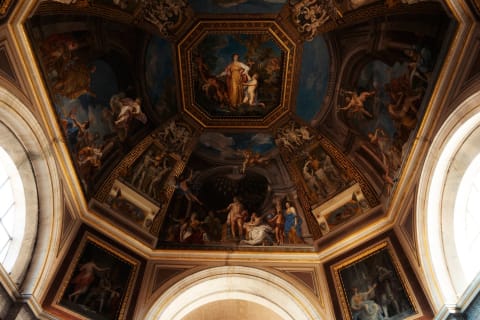
Two styles of the 17th–18th centuries, opposite in worldview. The Baroque is built on contrast, dynamism, excess and splendour, on a sense of the drama of being and the contradiction of earthly and heavenly, inclining to allegory, metaphor and ornament (Ukrainian Baroque, Skovoroda). Classicism instead cultivates reason, measure, clarity and harmony, a strict hierarchy of genres and the rule of three unities, imitating antique models. The Baroque overwhelms with a luxuriance of forms; Classicism, with discipline and balance.




